By Jim Lineweaver, CFP®, AIF®
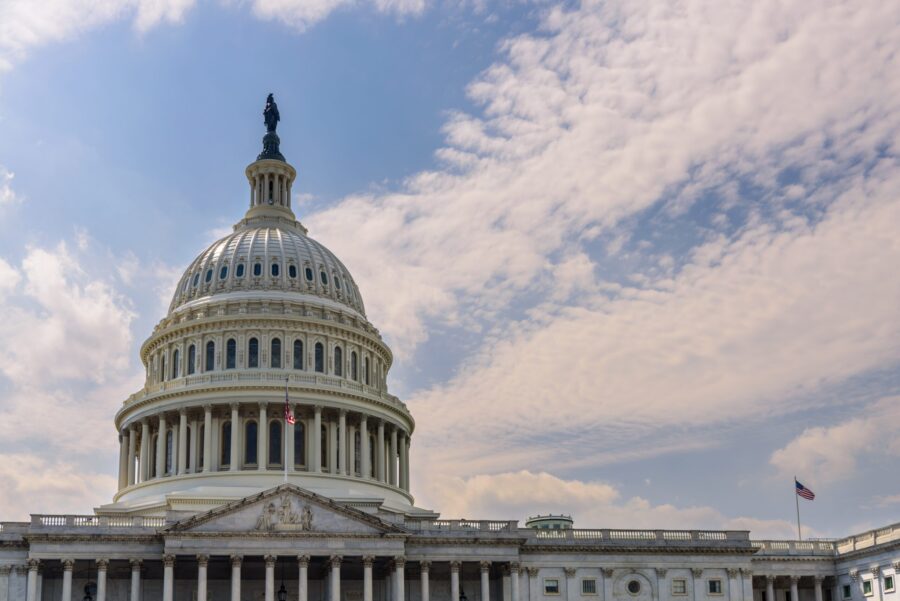
Democrats won control of the House and Senate in the 2026 midterm elections. When the new Congress takes office in January, they will set its agenda, lead oversight hearings, and control Senate votes on key appointments. President Trump will retain veto power, so major tax and spending bills will need support across party lines.
For investors, energy policy, trade, and data center growth are among the issues to watch. The Associated Press reports that divided government may limit the scope of major economic policy changes. Policy decisions in these areas could affect business costs, household budgets, and investment returns.
What does the Democratic win in the midterm elections change?
Democratic control of the House and Senate
Democrats will decide which bills to bring forward and can block measures they oppose. They can also use hearings to examine how the government carries out its policies. This gives them a greater role in talks over taxes, spending, and federal funding.
Senate control adds the power to approve or reject presidential nominees for roles that need Senate consent. These include federal judges and key posts at the Federal Reserve and agencies that oversee financial firms. This power applies as posts open and nominees come before the Senate.
What divided government means for new laws
A majority does not give either party full control over new laws. Most Senate bills can face a 60-vote threshold to end debate, though some measures follow different rules. President Trump also has the power to veto bills. In the case of a veto, congress needs two-thirds of members voting in each chamber to override a veto.
These limits make talks between the parties central to major legislation. Shared goals could lead to deals, while disputes over spending and the debt limit could make funding deadlines harder to resolve.
How does the government influence the economy?
Government shapes the economy through taxes, spending, business rules, and trade policy. These choices affect what households can spend, how firms invest, and what it costs to borrow.
After the midterm elections, divided government could make broad changes in law harder to pass. That may help firms plan with less risk of sudden tax or spending shifts. Long funding disputes, however, could delay projects and raise business costs.
Health care offers one example. A deal that helps households pay for coverage could ease pressure on their budgets, but lawmakers must agree on how to fund it. The costs and benefits would depend on who qualifies and the terms of the deal.
State and local decisions matter, too. They shape permits, land use, and power supplies for data centers. BlackRock highlights local concerns about data center growth, including in Ohio. Rules meant to address power costs or local needs could make projects slower or more costly.
The president will still have powers over trade and tariffs. A change in Congress does not itself reverse those policies or their effects on prices. And the Federal Reserve sets monetary policy to pursue the goals Congress assigns it. The election result alone does not bring lower loan rates or higher returns on savings.
What does the result mean for stocks and bonds?
U.S. stocks rose in early trading on November 4, with the S&P 500, Dow, and Nasdaq all gaining as Treasury yields fell. Stock futures swung between losses and gains overnight. Investors weighed the election results alongside company earnings and the outlook for interest rates.
For stocks, the key issue is how policies affect costs and profits. More oversight may bring attention to certain firms, but hearings alone do not change their earnings. BlackRock finds that sector leadership has varied across presidencies, which challenges simple views about which party benefits which stocks.
For bonds, the drop in Treasury yields helped lift prices. Over time, inflation and federal borrowing will help shape yields. Rising yields put pressure on existing fixed-rate bonds, while falling yields tend to raise their prices. Bonds with longer maturities usually face larger price swings when rates change.
Market and policy changes can affect your investments, but portfolio decisions should reflect your broader financial picture. Learn how coordinated wealth planning can help align your investment strategy with your retirement and long-term financial goals.
What does election year stock market history tell us?
The stock market during election years can swing as investors weigh new risks. Yet history offers some perspective: stocks have often gained in the year after midterm elections.
Capital Group found that the S&P 500 gained an average of 15.1% in the 12 months after midterm elections from 1950 through 2022. Its study uses data through 2025, making 2022 the last midterm in the sample. The figure excludes dividends and starts on Election Day, rather than measuring a calendar year.
The same study found positive average returns under several forms of party control, including divided government. Those averages cover many economic conditions; they do not show that election results caused the gains. For clients watching the stock market in election years, history can help put news in context. Your income needs and time horizon remain a stronger basis for decisions than an election pattern.
What could change for your taxes and retirement plan?
Start with existing tax law
The midterm elections did not, by themselves, change income or capital gains tax rates. Planning should reflect current law, including the tax provisions enacted in 2025.
If you plan to sell stock, take extra withdrawals, or convert savings to a Roth IRA, discuss the timing with your advisor and tax advisor. Compare the tax cost today with the possible long-term benefit.
Connect market risk to your income needs
As retirement nears, consider how you would pay living costs during a market decline. Cash reserves and other income can give you more choice about when to sell investments. Without that cushion, you may need to sell more shares to meet the same expenses.
Executives should consider how company stock affects retirement risk, since an employer’s setback could affect both pay and savings. Business owners face a similar risk when one firm holds much of their wealth. A plan that connects business decisions with personal finances can help show how a change in business income or value might affect retirement.
What should investors review after the midterm elections?
Whether you are investing in an election year or drawing retirement income, consider these questions:
- Portfolio risk: Does too much of your wealth depend on one stock, sector, or business?
- Retirement income: Can income and cash reserves cover near-term spending if markets fall?
- Taxes: Do planned sales and withdrawals fit your tax outlook and spending needs?
- Policy changes: Which new laws or funding choices would affect your household?
As policy takes shape after the midterm elections, it helps to consider your investments, taxes, and retirement income together. Through our Financial Quarterback approach to wealth planning for individuals and families, Lineweaver brings these decisions into one conversation, guided by your goals.
Make Informed Decisions Amid Market and Policy Changes
Election outcomes can influence markets, taxes, and retirement planning. Our team can help you evaluate these developments within the context of your overall financial strategy.
Frequently Asked Questions About the 2026 Midterm Elections
Political decisions shape taxes, spending, trade, and business rules. They affect household costs and business investment, with results that depend on the policies adopted and the wider economy.
The result does not itself raise taxes. A change must become law, and its terms would determine who pays more and when.
Politics shapes policy, while earnings, inflation, and interest rates help drive returns. Consider how a policy affects those factors and your financial goals.
Changes may make sense if your goals, income needs, or risks have changed. Discuss those needs with your advisor before making a decision based on election news alone.